



Blog

2025 Dodge Durango vs. 2025 Jeep Grand Cherokee: Which Is Right for You?

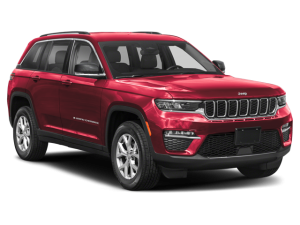
2025 Jeep Grand Cherokee for sale near Clearfield, PA

The 2025 Dodge Durango and 2025 Jeep Grand Cherokee are two standouts in the ultra-competitive SUV segment. Deciding which is right for you is all about seeing which, on balance, offers the best mix of features and capabilities that best caters to your specific needs.

2025 Dodge Durango vs. 2025 Jeep Grand Cherokee: Which Is Right for You?

If you’re shopping for a three-row SUV with both family utility and power, the 2025 Dodge Durango and Jeep Grand Cherokee are two excellent and very different choices. At Five Star Clearfield CDJR (1238 S 2nd St, Clearfield, PA), we help drivers pick the model that aligns with their lifestyle, towing needs, and budget. Here’s how these two stack up.

Powertrain and Performance

The Dodge Durango certainly leans into the muscle car lineage of its badge, offering a range of powerful engine options. The standard offering is a 3.6-liter Pentastar V6, which generates an impressive 295 hp. For unmatched power, Dodge offers optional V8 engines. The available 6.2-liter HEMI V8 on the SRT Hellcat, for instance, pushes the power output to a staggering 710 hp.

The Jeep Grand Cherokee offers a more balanced approach to its lineup of powertrains. The standard V6 engine is comparable to the Durango's base V6, generating a spirited 293 hp through a standard rear-wheel drive drivetrain.

Passenger Capacity and Seating

Space for passengers can be one of the key deciding factors when buying an SUV, particularly a family SUV. The Durango comes standard with three rows and offers configurations for comfortable seating for up to seven passengers, making it a great, practical choice for larger families or those who frequently carpool.

The standard offering of the Grand Cherokee is a two-row, five-seater, but Jeep does have you covered if you require a bit more space with three-row configurations of higher trims available. The Grand Cherokee L offers an extended-length body with three rows and seating for up to seven, comparable to the Dodge Durango.

Towing and Hauling

Towing is undoubtedly where the Durango excels, particularly in its higher-output trims. A properly equipped Dodge Durango with the Supercharged HEMI V8 engine boasts an incredible, class-leading maximum towing capacity of 8,700 lbs. Even a base-tier Durango with the standard 3.6-liter V6 is capable of towing up to 6,200 lbs.

Though the maximum towing capacity of the Grand Cherokee falls short of the Durango's, the Jeep still offers robust towing capability. The standard V6 Grand Cherokee is comparable to the base-tier Durango, with a towing capacity of up to 6,200 lbs, meaning the standard configurations of both are formidable for the segment.

Offroading

As you'd expect from any Jeep, the Grand Cherokee excels off the beaten path. It's engineered for legendary off-road capability, offering advanced 4x4 systems like the Quadra-Trac II and Quadra-Drive II, along with available technologies like:

  • Selec-Terrain Traction Management System
  • Quadra-Lift Air Suspension

The Durango does offer available all-wheel drive for improved all-weather traction, but as a Dodge, its design and performance are more focused on on-road muscle than off-road prowess.

Strengths & Trade-offs

Choose the Durango if you:

  • Need three-row seating for family or groups.
  • Tow heavy on a regular basis (especially with the V8 + tow package).
  • Want a more performance-focused SUV.

Choose the Grand Cherokee if you:

  • Prefer a more modern, efficient engine (especially with the 4xe).
  • Don’t need as much passenger capacity, but value refinement.
  • Appreciate strong off-road traction options and modern safety tech.

Q1: Which SUV is better for towing a trailer—Durango or Grand Cherokee?

  • If you tow heavy regularly, the V8 Durango is your best bet.
  • For moderate towing with efficiency, the Grand Cherokee 4xe is surprisingly capable.

Q2: Does the Grand Cherokee 4xe make sense for everyday driving?

  • Yes — the hybrid system gives you strong torque, electric assist, and it’s ideal for commuting or occasional towing.

Q3: How does the three-row seating of the Durango feel?

  • The third row is roomy for kids or occasional passengers. The Durango’s longer body helps with space, but if you regularly fill all seats, test it in person.

Q4: How reliable are these models?

Both are well-built. Jeeps have strong off-road heritage. For used Jeep or new Dodge models, come see us at Five Star Clearfield for a detailed inspection and history check.

Both the Dodge Durango and Jeep Grand Cherokee make compelling choices for discerning SUV enthusiasts. Contact Five Star Clearfield CDJR in Clearfield, PA today and arrange a test drive to see which is best for you.
Recommended Posts

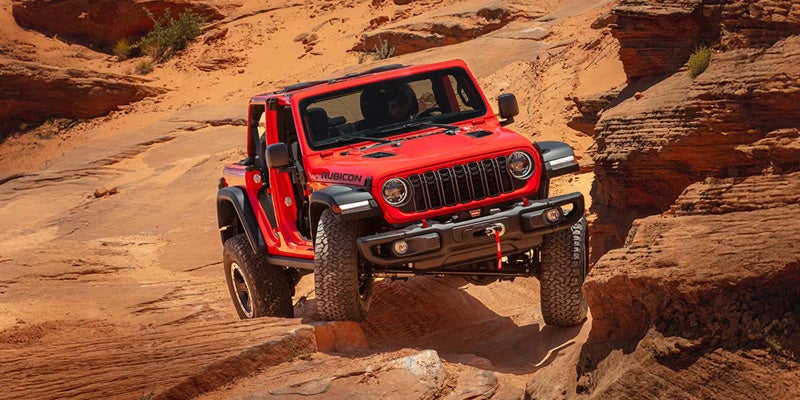
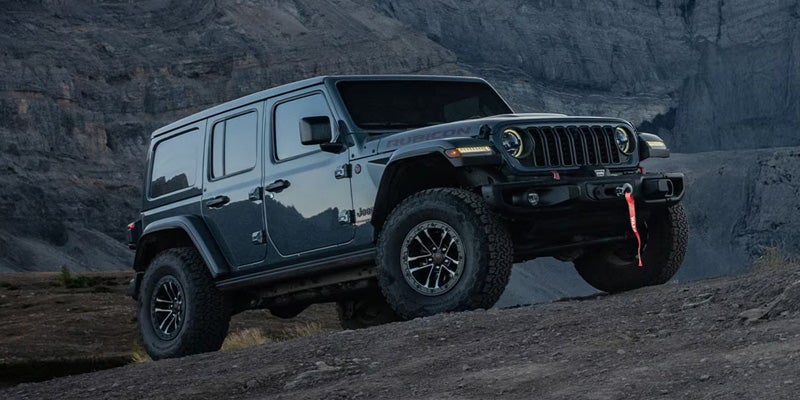
Front-three-quarter view of a bright red Jeep Wrangler Rubicon navigating a steep, rocky canyon trail in a desert landscape.

How Many Miles Can a Jeep Wrangler Last?

If you want to invest in a legendary off-road SUV, you probably want to know how long it will survive the elements. The good news is that this iconic vehicle boasts a well-earned reputation for incredible longevity. With proper care, these SUVs go the distance. Drivers near Clearfield, PA, can find reliable options at Five Star Clearfield CDJR, where our team is ready to answer all your vehicle lifespan questions and get you behind the wheel. more What Makes the Jeep Wrangler So Durable? This SUV is engineered with off-road capability and rugged durability in mind. Its body-on-frame construction, solid axles, and purpose-built four-wheel-drive system easily handle punishment that would quickly wear down other vehicles. These mechanical foundations translate directly to long-term reliability. When components are built for extreme terrain, everyday driving puts comparably less stress on the overall system. How Many Miles Can You Realistically Expect? Most owners report reaching 200,000 miles without major mechanical issues. It is common to see well-maintained models push past 300,000 miles. The honest answer to its lifespan depends heavily on how you treat the vehicle. High mileage examples are a common sight, proving how well the platform holds up over time. The Role of Maintenance in Longevity No vehicle reaches high mileage without consistent care. Staying on top of routine maintenance is the most important thing you can do to extend the life of your vehicle. This includes regular oil changes, inspection of the drivetrain, transfer case fluid changes, brake service, and tire rotations. For drivers who frequently encounter rough roads or seasonal weather extremes, checking suspension components and undercarriage protection adds an extra layer of longevity. Does the Trim Level or Engine Choice Matter? The lifespan varies slightly depending on the powertrain you choose. The standard 3.6-L Pentastar V-6 engine has a remarkably strong track record for durability. The turbocharged 2.0-L four-cylinder also shows solid long-term reliability when properly maintained. Choosing a higher trim level provides added technology and comfort features that require their own upkeep over the years, but the core mechanics remain robust. Tips for Maximizing Vehicle Lifespan Getting to 200,000 miles or beyond is absolutely achievable with the right habits. Use quality fluids, follow the manufacturer recommended service schedule, and address small issues before they become major problems. If you buy a used model, reviewing its service history is essential. A well-documented maintenance record is the best indicator of future reliability. Find Your Next SUV Today With consistent maintenance and responsible ownership, it is highly realistic to expect well over 200,000 miles. The rugged build quality and straightforward mechanical design make it one of the most long-lasting SUVs on the market today. The team serving Clearfield, PA, at Five Star Clearfield CDJR is here to help you find the right model for your lifestyle and budget. Explore our digital showroom at fivestarclearfield.com to view our current inventory and get started.

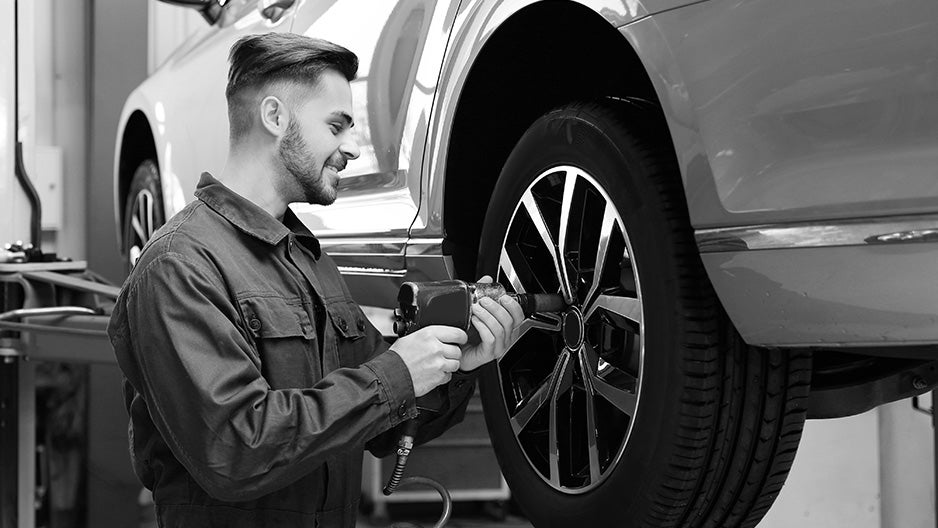
Black-and-white image of a mechanic using an impact wrench on a car wheel as the vehicle rests elevated on a lift inside a repair shop.

When Should You Check Tire Pressure—And Why It Matters for Your Jeep

Tire pressure is one of those things that’s easy to overlook until it becomes a problem. Whether you drive a rugged Jeep Wrangler through backcountry trails or commute daily in a Jeep Grand Cherokee through Clearfield, Pennsylvania, knowing when should you check tire pressure can help you stay safe, protect your tires, and get the most out of your vehicle. The good news is that keeping tabs on your tire pressure does not require special skills or a trip to the shop every time. With a little consistency, it becomes second nature. more Check Your Tire Pressure at Least Once a Month A good rule of thumb is to check your tire pressure at least once a month, even if your tires look perfectly fine from the outside. Tires naturally lose about one pound per square inch of pressure each month under normal conditions. That slow loss can add up without you noticing, especially on a vehicle as capable as a Jeep. Knowing when should you check tire pressure also means paying attention to seasonal changes. Temperature swings—especially the cold winters that drivers in Clearfield, Pennsylvania, experience—can cause pressure to drop quickly. For every 10-degree drop in temperature, tires typically lose about one pound per square inch. Check Before Long Road Trips or Off-Road Adventures Before any extended drive or trail run, take a few minutes to check all 4 tires and the spare. Underinflated tires on a long trip can lead to uneven wear, reduced handling, and in serious cases, a blowout. For Jeep owners who enjoy off-roading, tire pressure management is especially important since some trails call for airing down, which means you will need to reinflate once you return to pavement. Nobody wants to get stranded away from civilization. This is one of those simple habits that makes a real difference in how your Jeep handles under demanding conditions. Check After a Significant Temperature Change As mentioned, cold weather is a common trigger for tire pressure drops. But heat can also play a role. If temperatures spike significantly overnight or after a storm, it is worth doing a quick check. Your Jeep's tire pressure monitoring system (the groan-worthy TPMS light) will alert you if pressure drops too low, but that warning light means the situation already needs attention. Knowing when should you check tire pressure before the warning light comes on puts you in a better position to avoid issues before they become expensive repairs. Check When Your Jeep Sits for an Extended Period If your vehicle has been parked for more than a week or 2, check the pressure before heading out. Tires can lose air while sitting, and a flat or significantly underinflated tire can cause damage to the sidewall if driven on before it is corrected. This is especially worth noting for Jeep owners who have a second vehicle or a seasonal driver in the garage. Use the Right Pressure, Not the Number on the Tire One common mistake is inflating tires to the number printed on the sidewall of the tire itself. That number is the maximum pressure the tire can safely hold, not the recommended operating pressure. The correct pressure for your specific Jeep is listed on a sticker inside the driver's door jamb or in your owner's manual. Always use that number as your guide. Understanding when should you check tire pressure is only half of the equation—knowing the right target pressure ensures every check actually counts. Keep Your Jeep Road-Ready in Clearfield, PA Tire pressure is a small detail that has a big impact on safety, fuel efficiency, and the overall life of your tires. Making it a regular part of your vehicle care routine is one of the simplest and most effective things you can do as a Jeep owner. Stop by Five Star Clearfield CDJR serving Clearfield, PA, and let our service team help you stay on top of all your Jeep's maintenance needs, from tire care to brakes and everything in between.

How to Check Car History Before Buying a Used Vehicle

Buying a used vehicle is exciting—but it comes with some homework. One of the smartest things you can do before signing anything is to learn how to check car history. A vehicle history report can reveal details that are not visible during a test drive, and understanding what you’re looking at can save you from a costly surprise down the road. Whether you’re browsing online listings or walking a dealer lot here in Clearfield, Pennsylvania, this guide will walk you through the process in plain, simple terms. more What Is a Vehicle History Report? A vehicle history report is a document that pulls together publicly available records tied to a specific vehicle identification number, or VIN. This 17-character code is unique to every vehicle and acts almost like a fingerprint. When you run a history check using the VIN, you can access information about the vehicle's past ownership, accident history, title status, and service records. Knowing how to check car history starts with locating the VIN. You can usually find it on the driver's side dashboard near the windshield, on the driver's side door jamb label, or on the vehicle's title and registration paperwork. The VIN is a unique 17-character identifier assigned to the vehicle. How to Read a CARFAX® Report Once you’ve got the VIN, you can run a report through a trusted provider. Knowing how to read a CARFAX® report is one of the most useful skills you can bring to the table when buying a used car. The report is broken into 5 key sections, and each one tells you something different. The “title history” section shows whether the vehicle has a clean title or carries a branded status such as salvage, rebuilt, or flood-damaged. A salvage title means the vehicle was declared a total loss by an insurance company at some point, which can affect safety, insurability, and resale value. The accident history section details reported collisions and damage events, which may include airbag deployment or structural damage when that information has been reported. The “ownership history” section shows how many people have owned the vehicle and how long each person kept it. Multiple owners in a short period can sometimes signal an underlying issue worth exploring further. Service and Maintenance Records One of the most reassuring things you can find in a vehicle history report is a consistent service record. When a vehicle shows regular oil changes, inspections, and scheduled maintenance, it suggests the previous owner took care of it. Gaps in service history are not always a red flag, but they are worth asking about. Knowing how to check car history also means looking at odometer readings over time. A report may flag any instances where the recorded mileage appeared inconsistent, which could indicate odometer rollback—a practice that is both illegal and deceptive. Why Checking History Matters for Every Used Vehicle Even vehicles that look great on the surface can carry hidden histories. A fresh coat of paint, clean interior, and smooth test drive do not tell the whole story. Learning how to read a CARFAX® report gives you a clearer view of the vehicle's reported history, but it may not include every event or repair. This step is especially important when buying from a private seller, where fewer protections may be in place. When shopping with a dealership, history reports are often already available, but it is always a good idea to review them yourself and ask questions about anything that stands out. Explore Quality Used Vehicles at Five Star Clearfield CDJR Taking the time to learn how to check car history is one of the best things you can do before committing to a used vehicle purchase. From title status to service records to accident history, these reports give you a clearer, more complete picture of what you are considering. Looking for a reliable used vehicle? Five Star Clearfield CDJR provides free CARFAX® Reports on all our used cars. Browse our inventory, review each vehicle's history, and shop with confidence. Our team is happy to guide you through every step and help you find the perfect vehicle for your needs.