



Jeep Wrangler vs Jeep Gladiator: Which Fits Your Lifestyle?
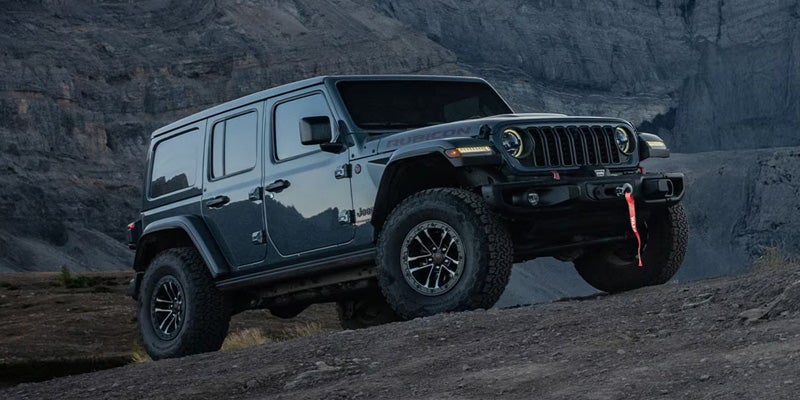
If you've been shopping for a capable, trail-ready Jeep, chances are you've already found yourself comparing the Jeep Wrangler vs Jeep Gladiator. Both models share serious off-road DNA, removable doors, and open-air freedom - but they're built for different kinds of drivers. Understanding the differences between the two can help you make a decision before you visit a dealer in Clearfield, PA. What Makes the Jeep Wrangler a Great Choice The 2026 Jeep Wrangler is one of the most recognized off-road vehicles on the road today. It's available in two-door and four-door configurations, making it a solid option whether you're a solo adventurer or heading out with a group of friends. The Wrangler is designed to be nimble and maneuverable, which makes it especially appealing for drivers who want to tackle tight trails or drive through the city without feeling like they're behind the wheel of a full-size truck. Its shorter wheelbase also gives it a tighter turning radius, which can be an advantage when you're picking a line through technical terrain. For drivers who want an open-air experience and a vehicle that transitions easily from commuter to trail rig, the Jeep Wrangler vs Jeep Gladiator comparison often ends here. The Wrangler is built for that lifestyle. What Makes the Jeep Gladiator Stand Out The 2026 Jeep Gladiator takes everything drivers love about the Wrangler and adds a pickup truck bed to the mix. That bed opens up a whole new world of practicality - hauling camping gear, landscaping materials, bikes, or anything else that doesn't fit inside a traditional SUV. The Gladiator shares the Wrangler's off-road capability and offers the same removable doors and fold-down windshield, so you don't have to give up that open-air experience just because you wanted a truck. The Gladiator's longer wheelbase does mean slightly less agility on tight trails compared to the Wrangler, but it also delivers more on-road stability and a smoother highway ride. If you regularly haul cargo or need the flexibility of a bed alongside off-road performance, the Gladiator is hard to beat. Head-to-Head: Key Differences to Consider When you put the Jeep Wrangler vs Jeep Gladiator side by side, a few key factors stand out. The Wrangler is lighter and more compact, making it the better choice for aggressive off-roading or urban driving. They share similar front-end chassis layouts and 3.6L V6 engines but differ substantially in capability and ride dynamics. The Gladiator brings added utility with its truck bed and greater towing capacity, making it ideal for drivers who need a vehicle that works as hard as they play. The Jeep Gladiator crushes the Jeep Wrangler in towing capacity, offering up to 7,700 lbs compared to the Wrangler’s maximum of 5,000 lbs. Both are available in well-equipped trims, and both share Jeep's trail-tested 4x4 systems and legendary go-anywhere attitude. Budget is also worth considering. The Gladiator's higher starting price reflects its additional versatility, but both models currently have competitive offers available, including 0% APR financing options on select 2026 models when financed through Stellantis Financial Services. Which One Is Right for You? The best way to answer the Jeep Wrangler vs Jeep Gladiator question is to honestly evaluate how you plan to use the vehicle day to day. If you mostly want an off-road SUV for weekend trails and everyday errands, the Wrangler is likely the better fit. If you need to haul gear, tow equipment, or want the added flexibility of a truck bed without sacrificing off-road capability, the Gladiator earns its place in your driveway. Come See Both Models in Clearfield, PA The Jeep Wrangler vs Jeep Gladiator debate is one of the most enjoyable in the automotive world - because either way, you're getting a seriously capable machine. Drivers in Clearfield, PA can explore both models, compare trims, and take advantage of current offers at Five Star Clearfield CDJR. Stop by or visit fivestarclearfield.com to browse available inventory and find the Jeep that fits your life.
How Many Miles Can a Jeep Wrangler Last?
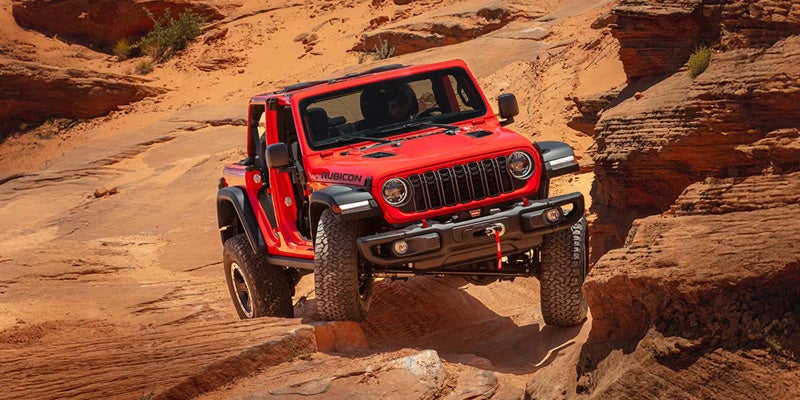
If you want to invest in a legendary off-road SUV, you probably want to know how long it will survive the elements. The good news is that this iconic vehicle boasts a well-earned reputation for incredible longevity. With proper care, these SUVs go the distance. Drivers near Clearfield, PA, can find reliable options at Five Star Clearfield CDJR, where our team is ready to answer all your vehicle lifespan questions and get you behind the wheel. What Makes the Jeep Wrangler So Durable? This SUV is engineered with off-road capability and rugged durability in mind. Its body-on-frame construction, solid axles, and purpose-built four-wheel-drive system easily handle punishment that would quickly wear down other vehicles. These mechanical foundations translate directly to long-term reliability. When components are built for extreme terrain, everyday driving puts comparably less stress on the overall system. How Many Miles Can You Realistically Expect? Most owners report reaching 200,000 miles without major mechanical issues. It is common to see well-maintained models push past 300,000 miles. The honest answer to its lifespan depends heavily on how you treat the vehicle. High mileage examples are a common sight, proving how well the platform holds up over time. The Role of Maintenance in Longevity No vehicle reaches high mileage without consistent care. Staying on top of routine maintenance is the most important thing you can do to extend the life of your vehicle. This includes regular oil changes, inspection of the drivetrain, transfer case fluid changes, brake service, and tire rotations. For drivers who frequently encounter rough roads or seasonal weather extremes, checking suspension components and undercarriage protection adds an extra layer of longevity. Does the Trim Level or Engine Choice Matter? The lifespan varies slightly depending on the powertrain you choose. The standard 3.6-L Pentastar V-6 engine has a remarkably strong track record for durability. The turbocharged 2.0-L four-cylinder also shows solid long-term reliability when properly maintained. Choosing a higher trim level provides added technology and comfort features that require their own upkeep over the years, but the core mechanics remain robust. Tips for Maximizing Vehicle Lifespan Getting to 200,000 miles or beyond is absolutely achievable with the right habits. Use quality fluids, follow the manufacturer recommended service schedule, and address small issues before they become major problems. If you buy a used model, reviewing its service history is essential. A well-documented maintenance record is the best indicator of future reliability. Find Your Next SUV Today With consistent maintenance and responsible ownership, it is highly realistic to expect well over 200,000 miles. The rugged build quality and straightforward mechanical design make it one of the most long-lasting SUVs on the market today. The team serving Clearfield, PA, at Five Star Clearfield CDJR is here to help you find the right model for your lifestyle and budget. Explore our digital showroom at fivestarclearfield.com to view our current inventory and get started.
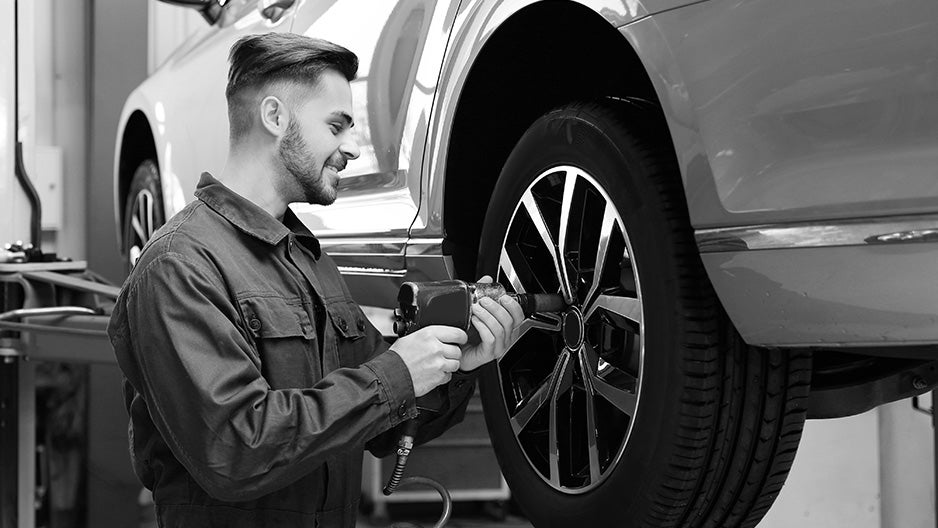
When Should You Check Tire Pressure—And Why It Matters for Your Jeep
Tire pressure is one of those things that’s easy to overlook until it becomes a problem. Whether you drive a rugged Jeep Wrangler through backcountry trails or commute daily in a Jeep Grand Cherokee through Clearfield, Pennsylvania, knowing when should you check tire pressure can help you stay safe, protect your tires, and get the most out of your vehicle. The good news is that keeping tabs on your tire pressure does not require special skills or a trip to the shop every time. With a little consistency, it becomes second nature. Check Your Tire Pressure at Least Once a Month A good rule of thumb is to check your tire pressure at least once a month, even if your tires look perfectly fine from the outside. Tires naturally lose about one pound per square inch of pressure each month under normal conditions. That slow loss can add up without you noticing, especially on a vehicle as capable as a Jeep. Knowing when should you check tire pressure also means paying attention to seasonal changes. Temperature swings—especially the cold winters that drivers in Clearfield, Pennsylvania, experience—can cause pressure to drop quickly. For every 10-degree drop in temperature, tires typically lose about one pound per square inch. Check Before Long Road Trips or Off-Road Adventures Before any extended drive or trail run, take a few minutes to check all 4 tires and the spare. Underinflated tires on a long trip can lead to uneven wear, reduced handling, and in serious cases, a blowout. For Jeep owners who enjoy off-roading, tire pressure management is especially important since some trails call for airing down, which means you will need to reinflate once you return to pavement. Nobody wants to get stranded away from civilization. This is one of those simple habits that makes a real difference in how your Jeep handles under demanding conditions. Check After a Significant Temperature Change As mentioned, cold weather is a common trigger for tire pressure drops. But heat can also play a role. If temperatures spike significantly overnight or after a storm, it is worth doing a quick check. Your Jeep's tire pressure monitoring system (the groan-worthy TPMS light) will alert you if pressure drops too low, but that warning light means the situation already needs attention. Knowing when should you check tire pressure before the warning light comes on puts you in a better position to avoid issues before they become expensive repairs. Check When Your Jeep Sits for an Extended Period If your vehicle has been parked for more than a week or 2, check the pressure before heading out. Tires can lose air while sitting, and a flat or significantly underinflated tire can cause damage to the sidewall if driven on before it is corrected. This is especially worth noting for Jeep owners who have a second vehicle or a seasonal driver in the garage. Use the Right Pressure, Not the Number on the Tire One common mistake is inflating tires to the number printed on the sidewall of the tire itself. That number is the maximum pressure the tire can safely hold, not the recommended operating pressure. The correct pressure for your specific Jeep is listed on a sticker inside the driver's door jamb or in your owner's manual. Always use that number as your guide. Understanding when should you check tire pressure is only half of the equation—knowing the right target pressure ensures every check actually counts. Keep Your Jeep Road-Ready in Clearfield, PA Tire pressure is a small detail that has a big impact on safety, fuel efficiency, and the overall life of your tires. Making it a regular part of your vehicle care routine is one of the simplest and most effective things you can do as a Jeep owner. Stop by Five Star Clearfield CDJR serving Clearfield, PA, and let our service team help you stay on top of all your Jeep's maintenance needs, from tire care to brakes and everything in between.